
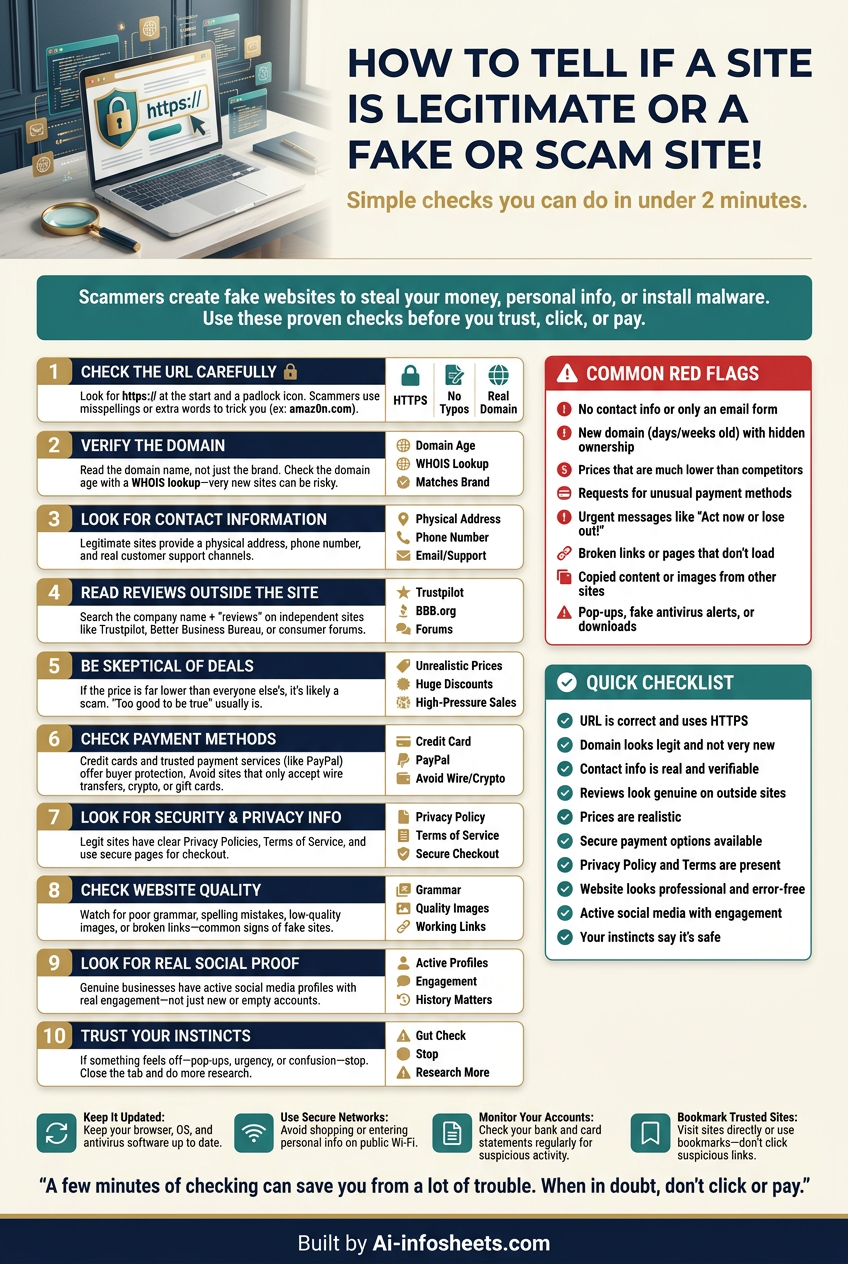
Bringing a new puppy into your home is an exciting prospect, but the journey to finding a reputable breeder has become increasingly complex in the digital age. Unfortunately, the internet is rife with fraudulent individuals and organizations posing as breeders, preying on unsuspecting prospective owners. These scam operations often exploit emotional connections, leading to financial loss and heartbreaking disappointment. Navigating the online landscape requires vigilance and an understanding of key indicators that differentiate legitimate breeders from scammers. This guide outlines seven crucial red flags and essential steps to help you safely secure your new canine companion.
Protecting Your Puppy Purchase: Key Steps to Verification
1. Inconsistent or Generic Website Design
Many scam breeder websites are hastily put together, featuring generic stock photos of puppies, inconsistent information, or poorly written text with numerous grammatical errors. Legitimate breeders often invest in professional, informative websites that showcase their specific dogs, facilities, and breeding philosophy. Look for detailed sections on their breeding program, health testing, and breed-specific information, not just a gallery of cute puppies. If the site looks like a template with minimal unique content, proceed with caution.
2. Lack of Transparency Regarding Breeder Location
A reputable breeder should always be transparent about their physical location. Scammers often use vague addresses, claim to be in a different state from where they registered their website, or refuse to provide an exact address for an in-person visit. They might claim to be traveling or facing an emergency as an excuse to avoid meeting. Ethical breeders welcome potential buyers to visit their premises, meet the parent dogs, and observe the living conditions of the puppies. A breeder's willingness to disclose their actual location and invite visits is a strong indicator of legitimacy.
3. Non-Specific or Evasive Answers About Dogs' Background
A legitimate breeder will be an open book about the lineage, health history, and temperaments of their breeding dogs. They should be able to provide detailed information about the parent dogs, including pedigrees, health clearances (e.g., OFA, CERF certifications), and show or working titles. Scammers, on the other hand, will offer generic or evasive answers, unable to provide specific details about bloodlines, genetic testing, or the health of previous litters. They might claim the information is proprietary or not available, which is a significant red flag for an ethical breeder.
4. Unwillingness to Show Living Environments and Parent Dogs
One of the most critical aspects of responsible breeding is the living environment and care provided to the dogs. Ethical breeders are proud to show off their facilities, demonstrating clean, safe, and stimulating environments for their adult dogs and puppies. They will readily share photos and videos of the parent dogs interacting with puppies and their home environment. Scammers frequently refuse to provide real-time photos or video calls showing the actual parents with the puppies in their living space, often sending stock photos or images stolen from other breeders. Always insist on seeing the puppies with their mother in their actual environment.
5. Suspicious Payment Terms and Delivery Conditions
Be wary of breeders who only accept wire transfers, gift cards, or untraceable payment methods. Reputable breeders typically accept secure payment methods like credit cards, PayPal, or bank checks, often requiring a deposit to reserve a puppy. Scammers may pressure you for immediate payment, claim a special, limited-time offer, or demand full payment upfront without a clear contract. Additionally, watch out for overly complicated or vague delivery arrangements, especially those insisting on shipping the puppy without allowing prior contact or clear documentation.
6. Generic Communication and Pressure Tactics
Scammers often communicate using generic, impersonal emails or messages, often with poor grammar, and avoid phone conversations. They may use high-pressure tactics, creating a sense of urgency to make you commit quickly, for example, by claiming high demand for the specific puppy you are interested in. A legitimate breeder will engage in thorough conversations, ask questions about your living situation and experience, and be genuinely interested in finding the right home for their puppies. They prioritize the well-being of their dogs over a quick sale.
7. Lack of Transparency on Business Longevity and Reviews
An established, ethical breeder will have a history in their breed community. They might be members of breed clubs, have references from previous buyers, or show up in online searches with consistent information. Scammers, lacking a real track record, will provide no evidence of how long they've been breeding or offer suspiciously perfect yet untraceable reviews. Research the breeder's name, kennel name, and contact information online. Look for consistent information, credible feedback, and a verifiable history, ideally spanning several years.
By staying informed and exercising caution, you can significantly reduce your risk of falling victim to a scam. Always prioritize meeting the breeder and dogs in person, verifying all information, and trusting your instincts. A legitimate breeder wants to ensure a good match for both the puppy and the family, making the adoption process a positive experience for everyone involved.