
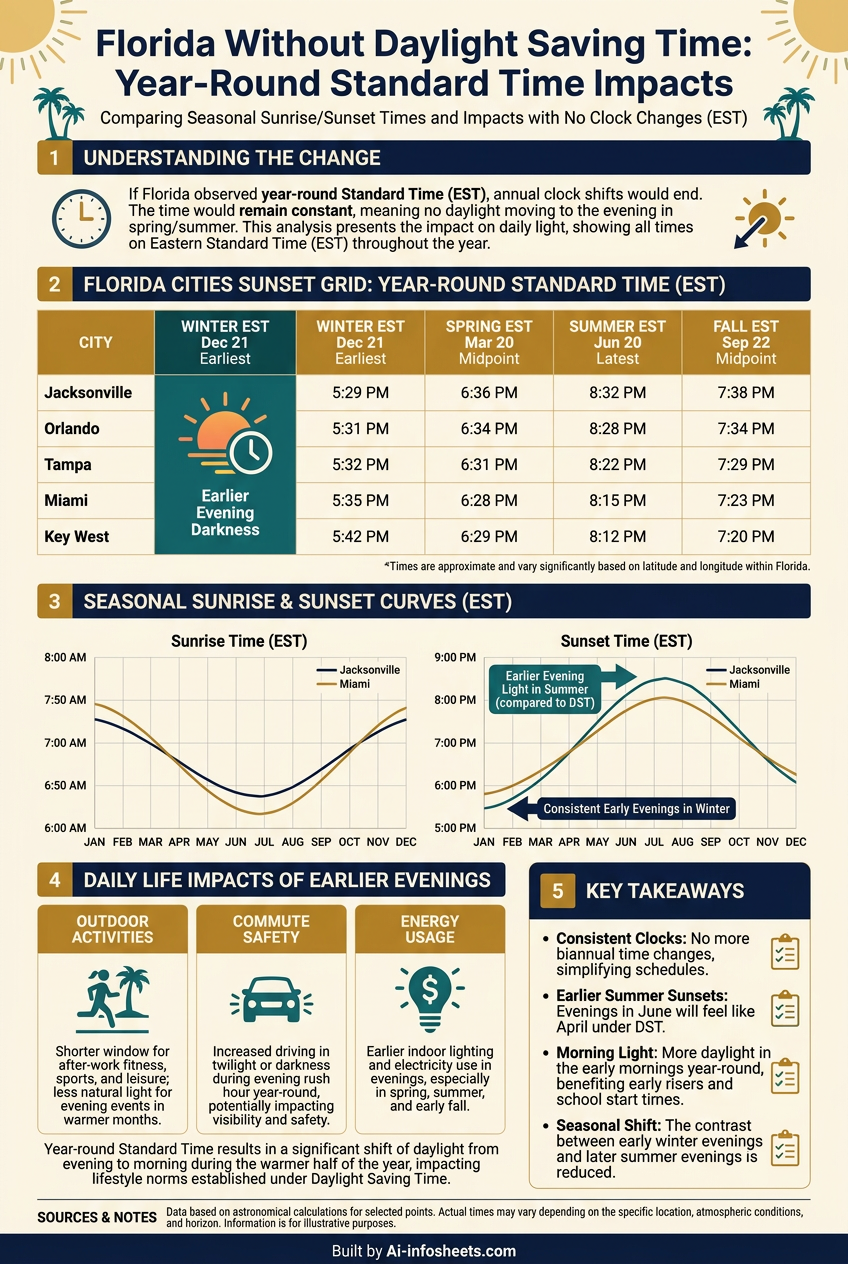


Daylight Saving Time (DST) is a practice observed in many parts of the world where clocks are adjusted forward by one hour during warmer months, typically in spring, and then set back an hour in autumn. The primary rationale behind this adjustment is to make better use of natural daylight, reducing the need for artificial lighting in the evenings and potentially conserving energy. However, DST significantly alters our perception of morning and evening light, leading to later sunsets in summer but also later sunrises in spring and earlier sunrises in fall compared to if we remained on standard time year-round. Understanding these shifts is crucial for appreciating how both DST and its potential elimination affect our daily lives, from energy consumption to work-life balance.
Understanding Daylight Saving Time
Daylight Saving Time was first proposed in the late 18th century, but gained widespread adoption during World War I to save coal. The idea is simple: by moving clocks forward, the sun appears to set later, extending daylight into the evening. This means that a sunset that would typically occur at 7:00 PM under Standard Time might occur at 8:00 PM during DST. Conversely, sunrise also shifts later in the morning. Historically, DST implementation varies by country and often sparks debate regarding its benefits versus its drawbacks, including potential health impacts and economic considerations. Over 70 countries worldwide currently observe some form of Daylight Saving Time, though this number has decreased over time.
How DST Impacts Sunset and Sunrise Times
Spring Forward: Later Sunsets and Sunrises
When Daylight Saving Time begins in the spring, clocks are typically moved forward by one hour. This immediate shift means that the sun appears to rise and set one hour later than it would under Standard Time. For example, if sunrise was at 6:30 AM and sunset at 7:00 PM before DST, after the change, they would be observed at 7:30 AM and 8:00 PM respectively. This effectively moves an hour of daylight from the morning to the evening. While many appreciate the extended evening daylight for recreational activities and after-work errands, the later sunrise can mean darker mornings, particularly for those who start their day early. Research suggests this shift can temporarily disrupt sleep patterns.
Fall Back: Earlier Sunsets and Sunrises
Conversely, when Daylight Saving Time ends in the autumn, clocks are moved back by one hour, returning to Standard Time. This effectively brings sunrise and sunset times an hour earlier. Using the previous example, an 8:00 PM sunset and 7:30 AM sunrise under DST would revert to 7:00 PM and 6:30 AM under Standard Time. This change means brighter mornings for many but also notably earlier sunsets, such as 5:00 PM or 4:30 PM in some regions during late autumn and winter. The abrupt shift to earlier evenings can impact mood and daily routines, with some studies linking it to increased instances of seasonal affective disorder (SAD).
Seasonal Variations in Daylight
Regardless of Daylight Saving Time, the fundamental cause of varying daylight hours is the Earth's axial tilt relative to its orbit around the sun. During the summer solstice, the Northern Hemisphere experiences its longest day, with the sun setting significantly later than at any other time of year. For instance, in Washington D.C., the longest day provides approximately 14 hours and 54 minutes of daylight around June 20th. Conversely, the winter solstice brings the shortest day, with sunset occurring much earlier and daylight hours dramatically reduced, such as around 9 hours and 26 minutes of daylight in Washington D.C. around December 21st. DST simply overlays these natural seasonal cycles, shifting their perceived timing.
The Debate: Eliminating Time Changes
The discussion around eliminating Daylight Saving Time, or making it permanent, is ongoing in many countries. Proponents of ending the bi-annual clock change cite potential health benefits from more stable circadian rhythms, including fewer heart attacks and traffic accidents observed immediately after the "spring forward." A 2020 study estimated that establishing year-round Standard Time or year-round DST could reduce energy consumption in some sectors. Conversely, sticking to permanent Standard Time would result in even earlier sunsets during summer evenings, which some argue would negate the benefits of summer daylight. Permanent Daylight Saving Time, championed by some, would mean consistently later sunsets but also very dark winter mornings, which could pose challenges for school children and commuters.
Potential Impact of No Time Changes Annually
If a region were to eliminate time changes and adopt year-round Standard Time, sunsets would consistently occur an hour earlier during what would have been the DST period. This means more daylight in the mornings throughout the year, but also significantly earlier sunsets during summer evenings. For example, a summer sunset at 9:00 PM under DST might instead be 8:00 PM under permanent Standard Time. Conversely, adopting year-round Daylight Saving Time would mean sunsets consistently occurring later. This would result in extended evening daylight even in winter, but exceptionally late sunrises in the depths of winter. For instance, in cities like Boston, sunrise could occur as late as 8:30 AM in January under permanent DST, versus 7:30 AM under permanent Standard Time. The choice between these options involves balancing public health, economic considerations, and societal preferences for morning vs. evening daylight.
Understanding the various ways Daylight Saving Time impacts our perception of day and night is crucial. Whether your region observes DST, or is considering abolishing it, these shifts in sunrise and sunset times have real effects on energy use, health, and daily routines. Stay informed about local time change policies and how they might shape your experience of seasonal daylight.